Classes + practices
Non-Heated Yoga in Suwanee: Same Practice, Normal Room
The short answer
Non-heated yoga is the same practice as hot yoga, taught in a normal-temperature room. You still move, breathe, and stretch, without the sweat. Sathya Hot Yoga & Wellness in Suwanee, GA has two studios, one heated and one non-heated, so you can pick the room that fits your day.
What is non-heated yoga?
Non-heated yoga is yoga in a room kept at a comfortable, everyday temperature. The poses, the breath, and the final rest are the same ones you would find in any yoga class. The only thing missing is the heat.
That one change makes a big difference for some people. You can focus on your form and your breath without thinking about how hot you feel.
How is it different from hot yoga?
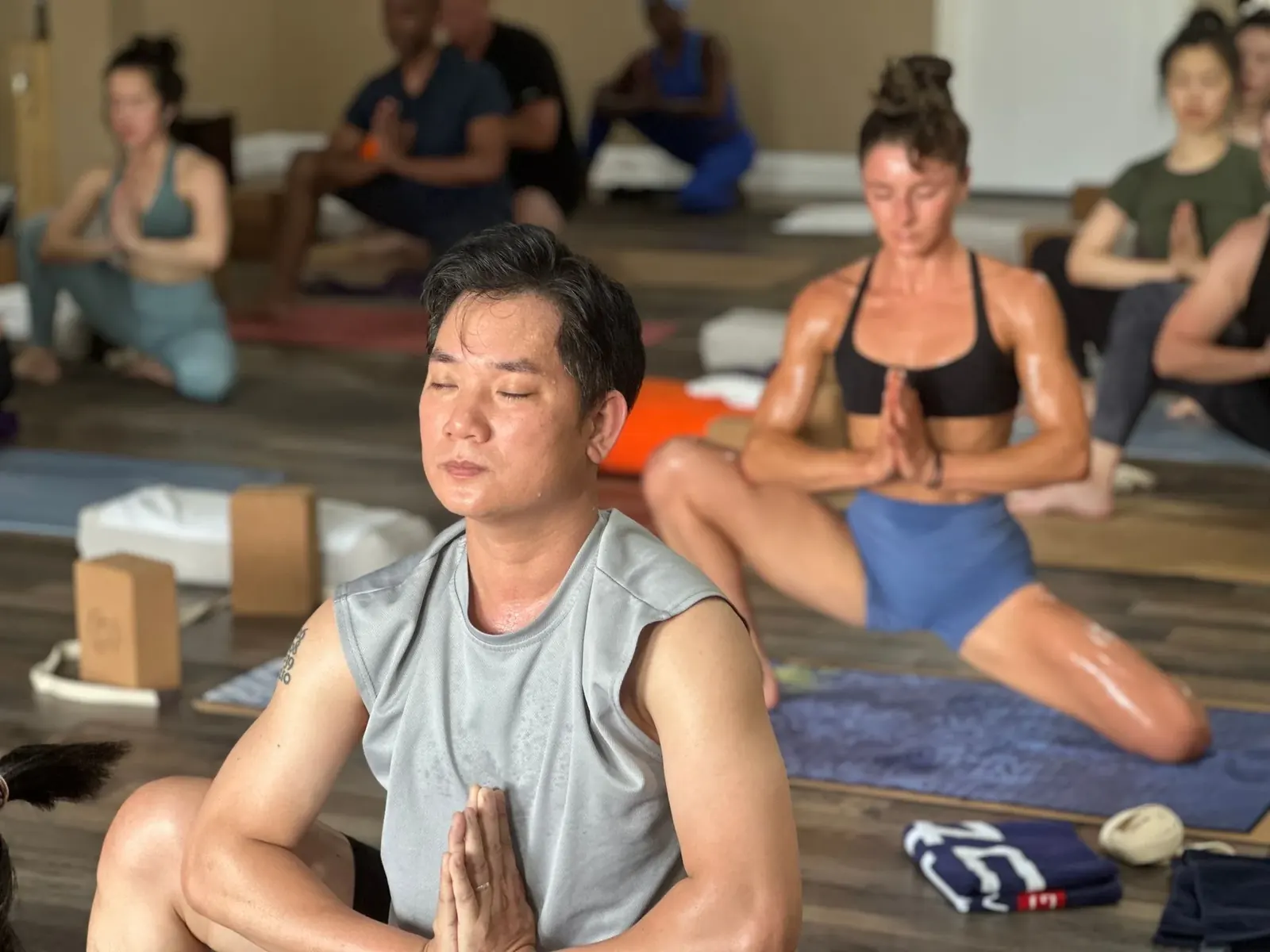
In a heated room, your body warms up fast. Many people find they feel looser and sweat more. In a non-heated room, you warm up slowly from your own movement, so the pace often feels steadier.
Here is a simple side-by-side:
- Hot yoga: warm room, more sweat, a strong "I did something" feeling
- Non-heated yoga: normal room, lighter sweat, a calm and clear feeling
- Both: breath first, movement with care, rest at the end
Neither is better. They are two doors into the same house. Sathya Hot Yoga & Wellness in Suwanee, Georgia has two studios, heated and non-heated, so you do not have to choose one forever.
Related read
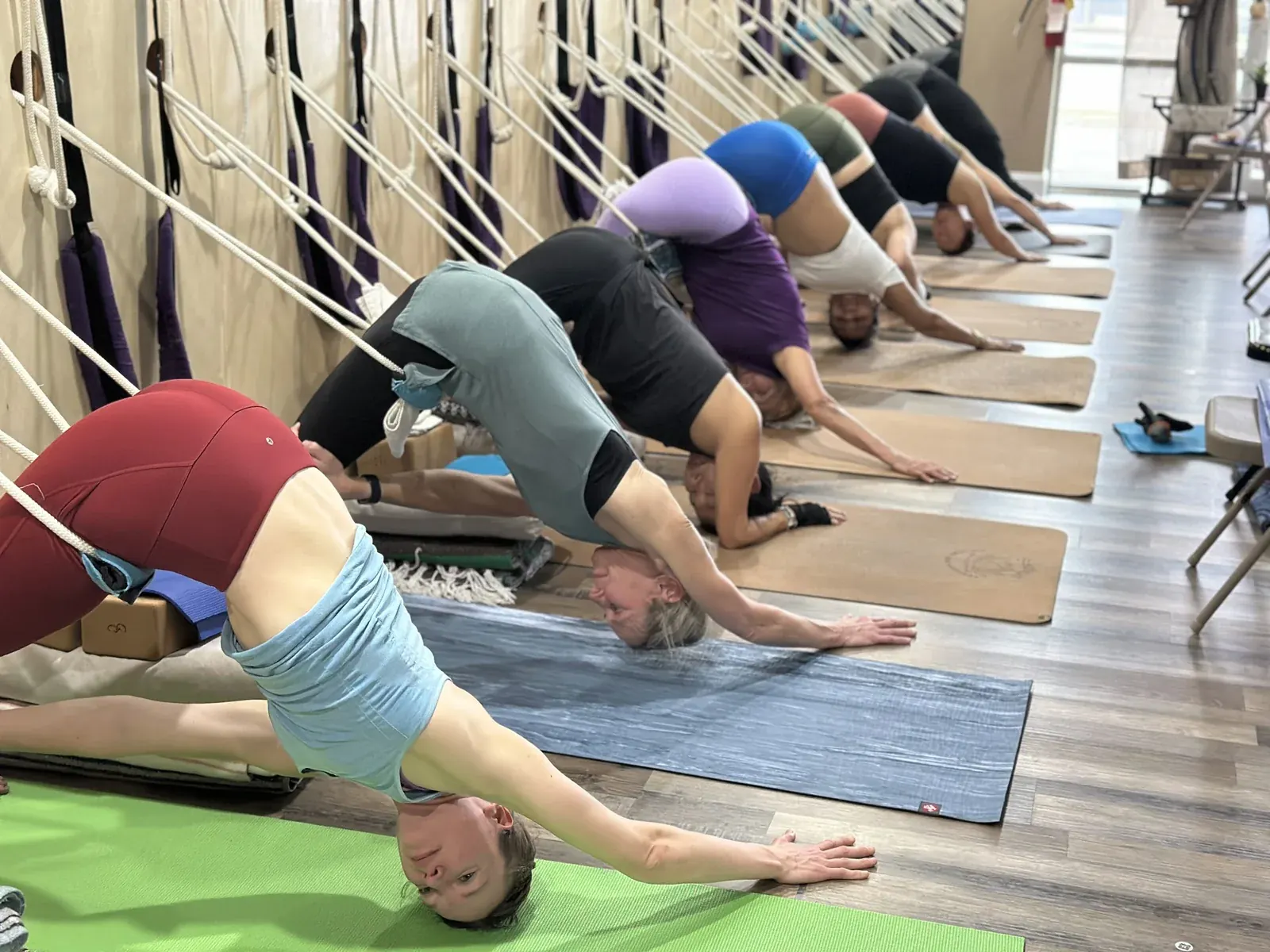 Classes + practices · 4 minRope Wall Yoga (Kurunta) Near Atlanta: What It Is and Why It's Rare
Who is non-heated yoga good for?
Non-heated yoga is a smart pick for many people. You might love it if you:
- Do not like to sweat or feel overheated
- Are new to yoga and want to learn the poses first
- Feel dizzy or tired in a hot room
- Want a gentler class on a recovery day
- Are pregnant or have a health condition and your doctor says to avoid heat
- Want to practice before or after work without needing a full shower
If heat is a concern for your health, please check with your doctor. We do not give medical advice, and your doctor knows you best.
What will a non-heated class feel like?
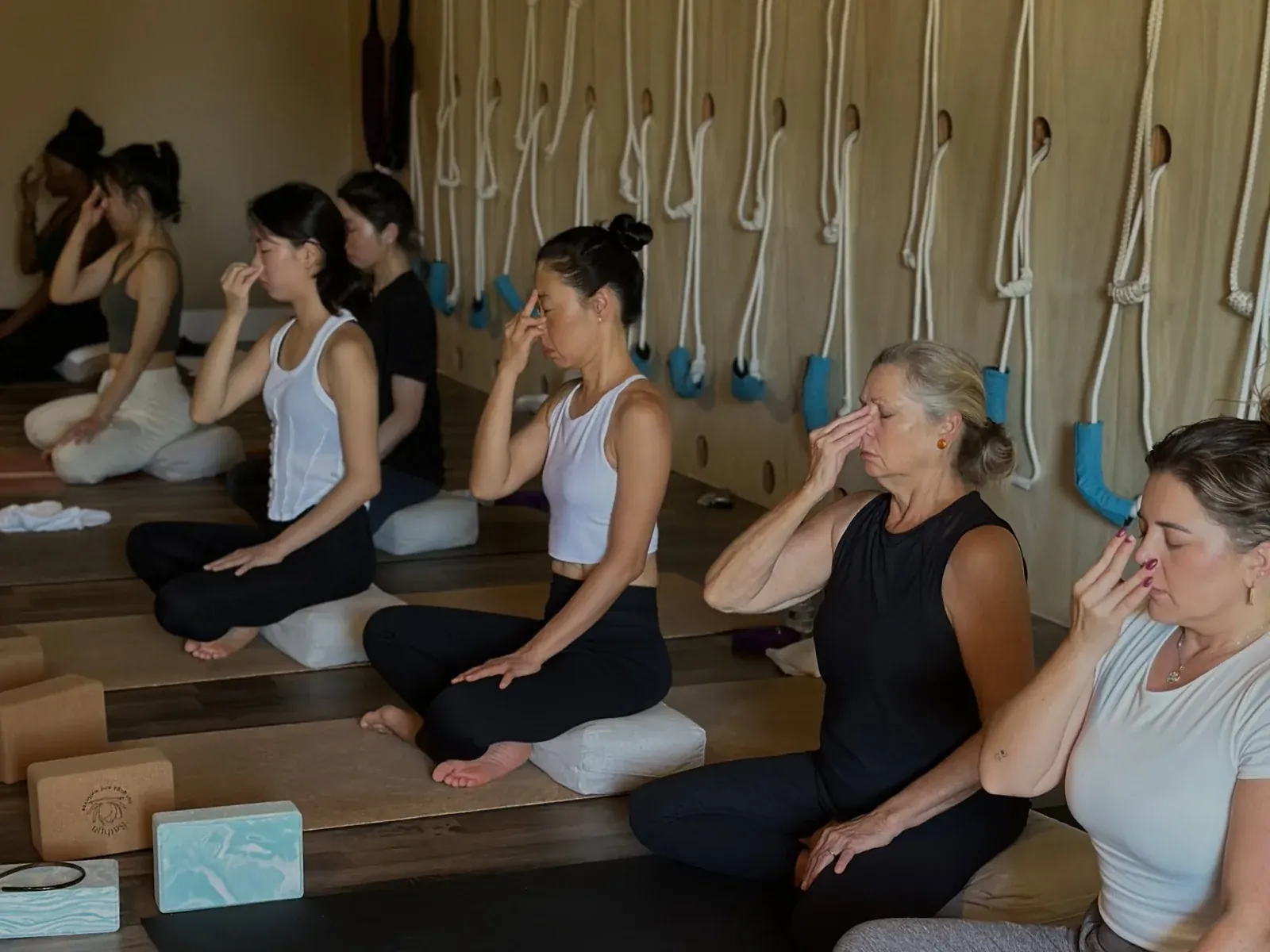
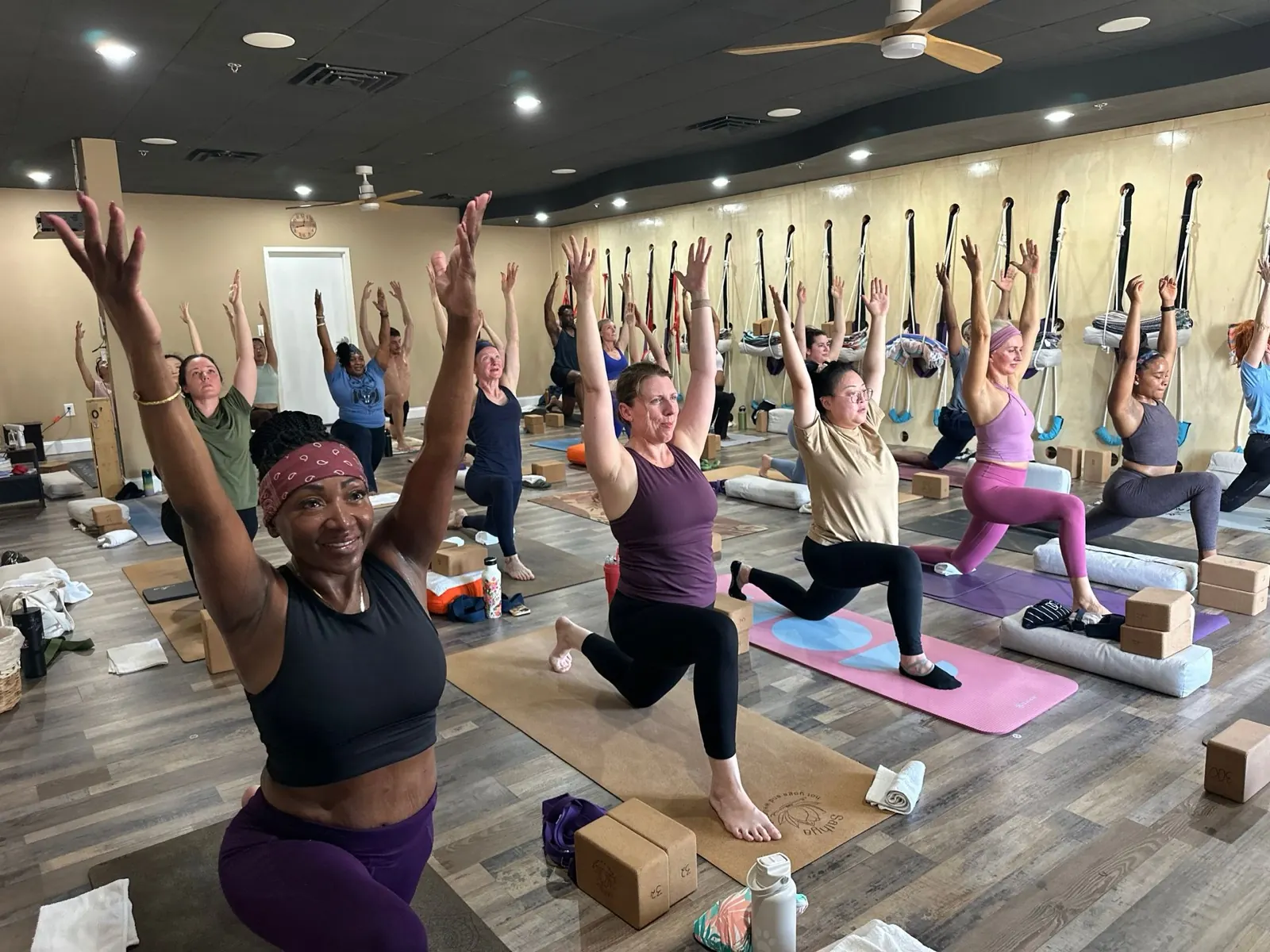
You will walk into a calm room that feels like a regular space, not a sauna. The teacher guides you through breath, standing poses, floor work, and a long rest.
Because you are not warming up from the room, a good class often starts slow and builds. You may notice details you miss in the heat, like how your feet press into the mat or where your breath gets stuck.
Many students tell us non-heated class helps them hear their body more clearly. It fits our line: working in, not working out.
One more thing to know: a non-heated room is not a lesser room. Some of the strongest classes happen without any heat at all, because the teacher can build intensity with the poses themselves. If you want a challenge, ask for a stronger class. If you want ease, ask for gentle. Both exist.
Can you mix hot and non-heated classes?
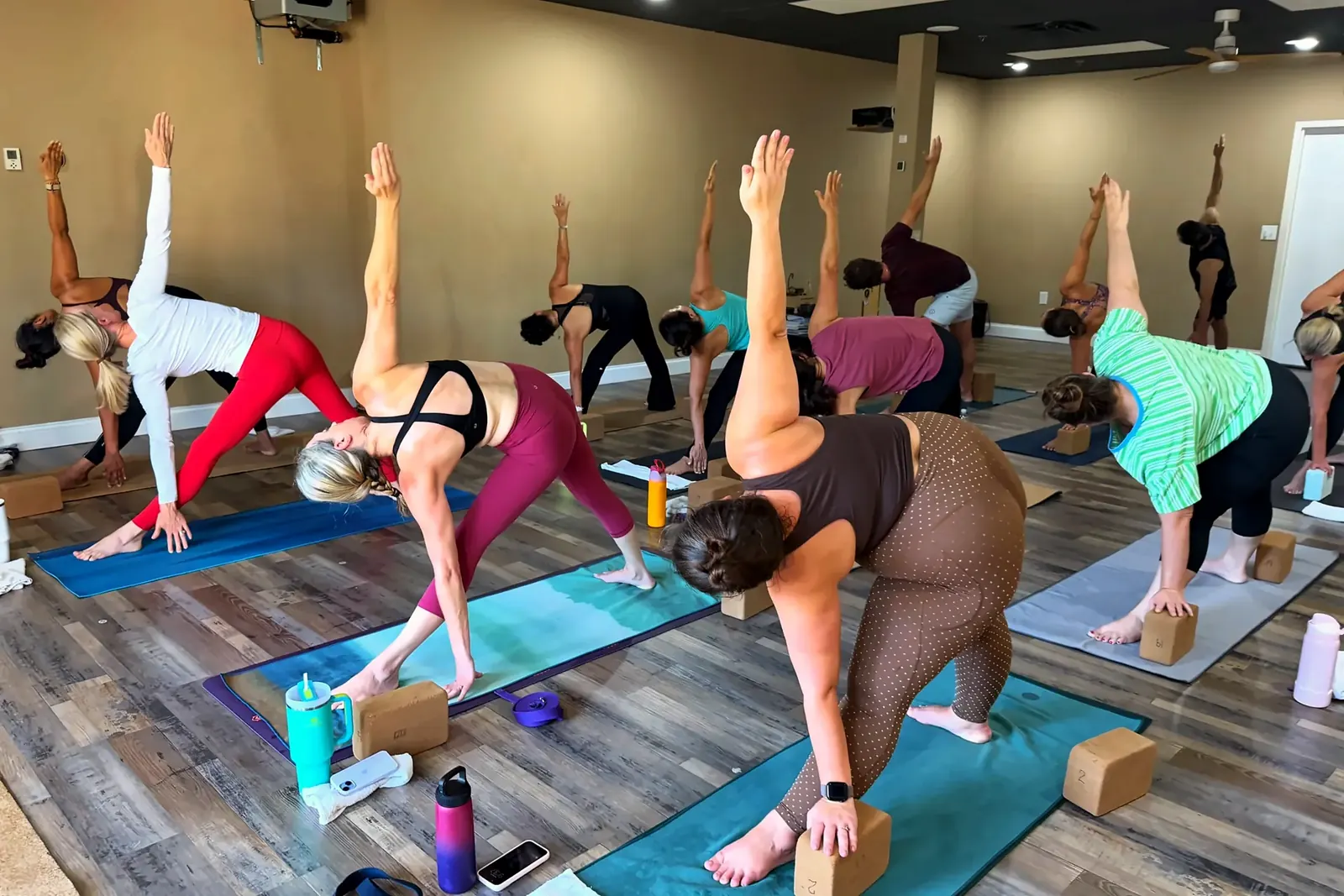
Yes, and many members do. A good week might include one or two hot classes for sweat, one non-heated class for focus, and one gentle class for rest.
Some people use non-heated yoga for the days after a hard workout, a long flight, or a tough week. Others use it on mornings when they want to feel awake but not wrung out.
If you want to add strength, read our guide on strength training for yogis. It pairs well with a cooler room.
What should you wear and bring?
Dress like you would for any easy workout: stretchy pants or shorts and a top you can move in. Because the room is not hot, you may want a light layer for the rest at the end. Bring water, and use one of our mats or your own.
You do not need a towel the way you would in the heat, though some people like one anyway.
Think about your season of life too. After a baby, during a busy work stretch, or while you are getting back into movement, a normal room can be the kind choice. You can move up to the heat later, or never. Both paths are fine.
How do you try non-heated yoga in Suwanee?
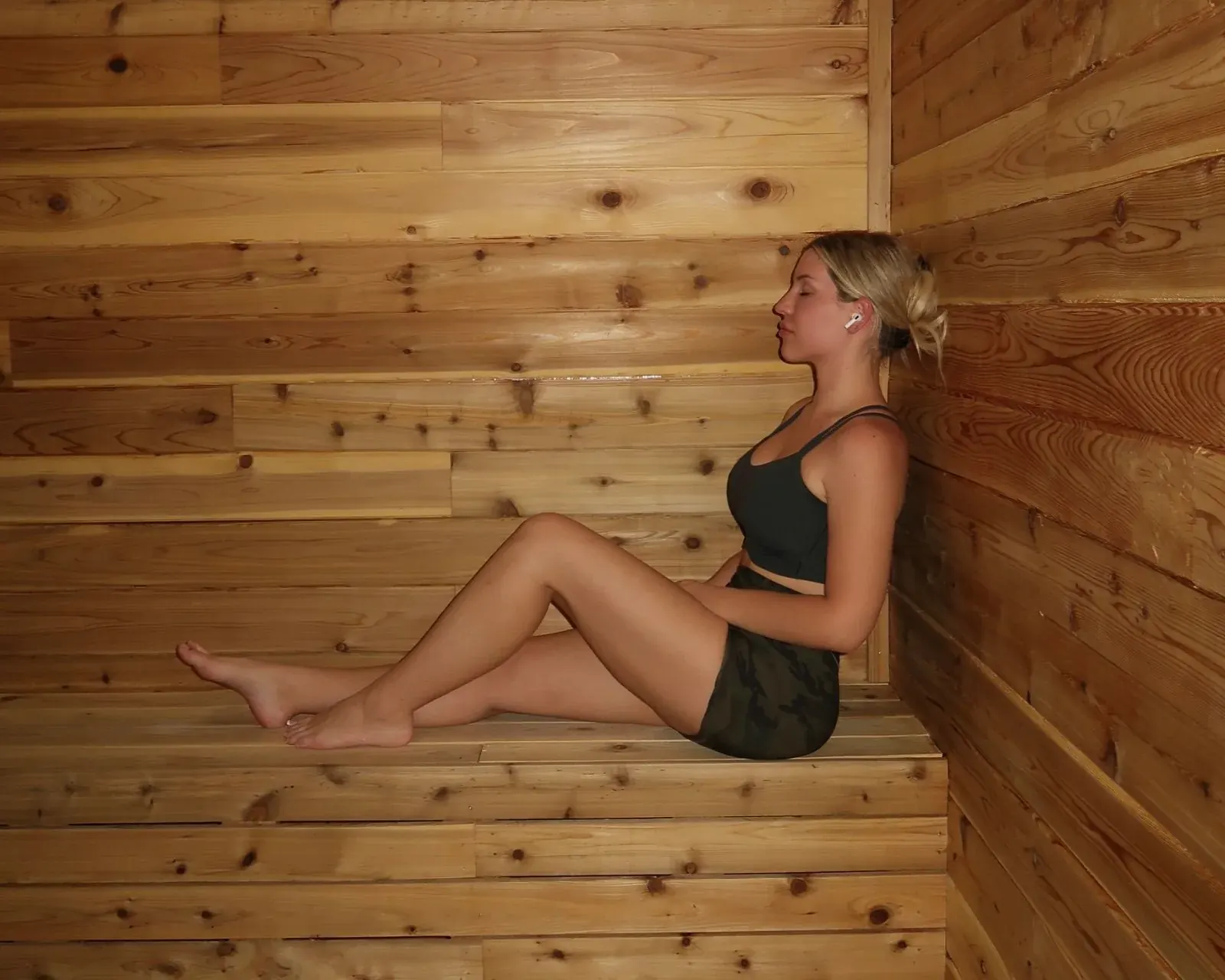
Start with the intro offer: 2 weeks of unlimited classes for $49. You can try both studios and see how your body responds. If you want the cedar sauna and cold plunge too, the $79 version adds them. If you join, the trial price is credited toward your first month. See the pricing section for all the details.
Members come to us from Suwanee, Sugar Hill, Buford, Duluth, and Johns Creek. The studio is at 4320 Suwanee Dam Rd, close to Suwanee Town Center. You can book classes through the Sathya app, which runs on Arketa, or through ClassPass.
If you are not sure which room to start in, call 470-392-4493 or email info@sathyayogawellness.com. We will help you pick. You can also browse the class list first.
FAQ
Questions people ask
Is non-heated yoga a real workout?
Yes. You still build strength, balance, and flexibility. It just feels different because you are not in a hot room. Many people find it focused and satisfying, and you can choose a stronger class if you want more.
Is non-heated yoga better for beginners?
It can be. A normal-temperature room lets you learn poses and breathing without the added challenge of heat. Many beginners start there, then try hot yoga later if they are curious.
Do I need a different mat for non-heated yoga?
No. Any yoga mat works. You can borrow one of ours or bring your own. In a cooler room you will not slip as much, so a basic mat is fine.
Can I switch between hot and non-heated classes?
Yes. With a membership that covers all classes, you can move between the heated and non-heated studios as you like. Many members mix both across the week.

From the Sathya team. Kim Johns and Gigi Gomez opened Sathya Hot Yoga & Wellness in Suwanee in August 2024: two studios, a cedar sauna, a cold plunge and a rope wall. Working in, not working out.
Your first class
Reset, rest, community.
Two weeks of unlimited classes for $49. Credited toward your first month if you join.
Keep reading