
Hot yoga basics
Hot Yoga vs Regular Yoga: Which One Fits You?
The short answer
The main difference is the room: hot yoga is practiced in a heated space, while regular yoga is practiced at normal room temperature. Hot yoga feels warmer and more intense, and regular yoga can feel calmer and cooler. Sathya Hot Yoga & Wellness in Suwanee, GA, offers both.
Both styles use the same foundation of poses, breath, and focus. The big difference is the temperature of the room, and that changes how class feels. Here is how to choose.
What is the real difference between hot yoga and regular yoga?
Hot yoga is taught in a heated room. Regular yoga, which we call non-heated yoga, is taught at normal room temperature.
The poses can be nearly the same. What changes is the experience. In a warm room you sweat more, your body feels different, and the pace often feels slower and more deliberate. In a non-heated room you may feel lighter and cooler, with more room to move at your own rhythm.
How does each one feel in the body?
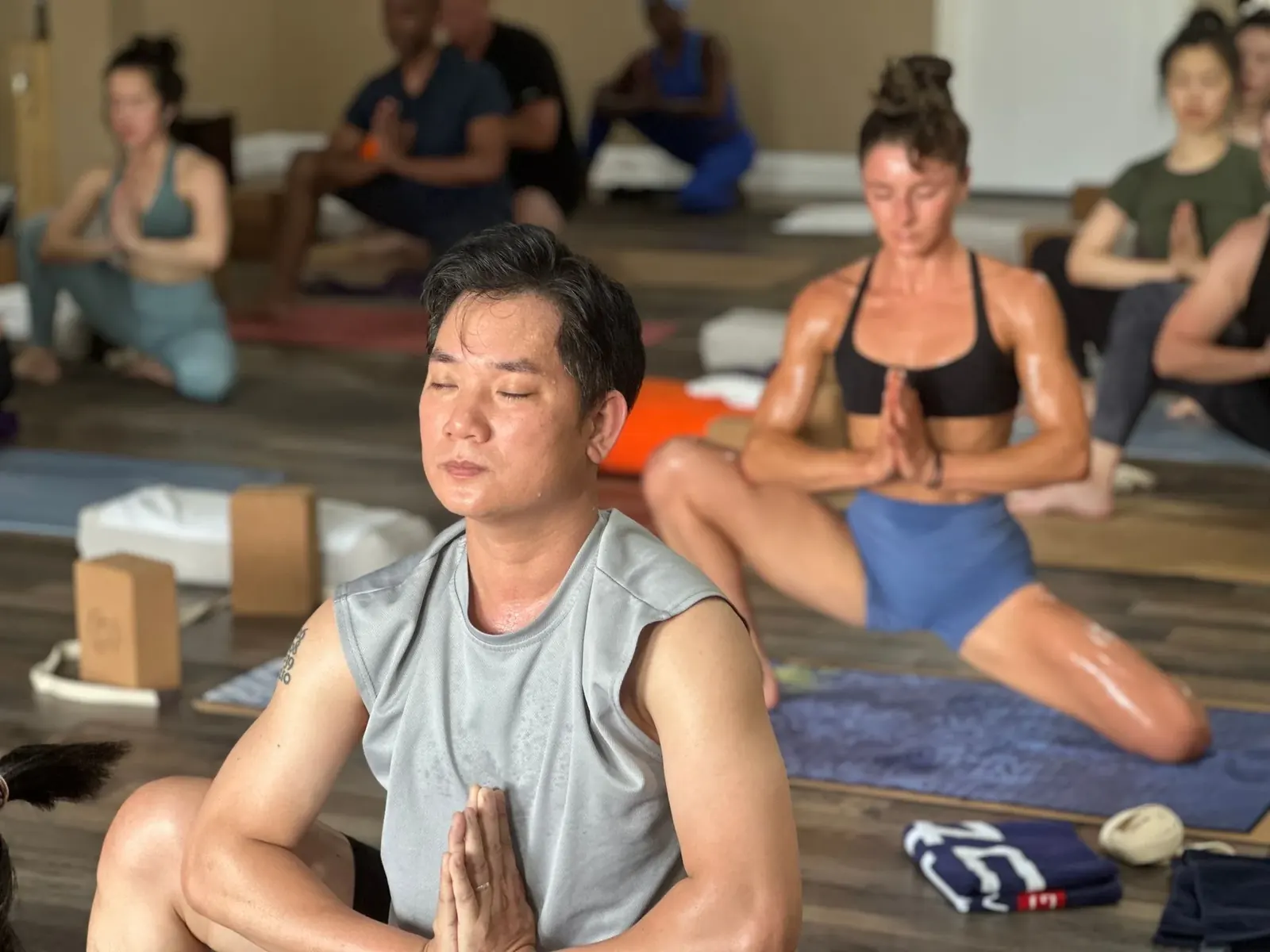
Hot yoga often feels warm, heavy in a good way, and full of sweat. Many people say they feel their muscles loosen sooner. Some also feel tired faster, since the body works to stay cool.
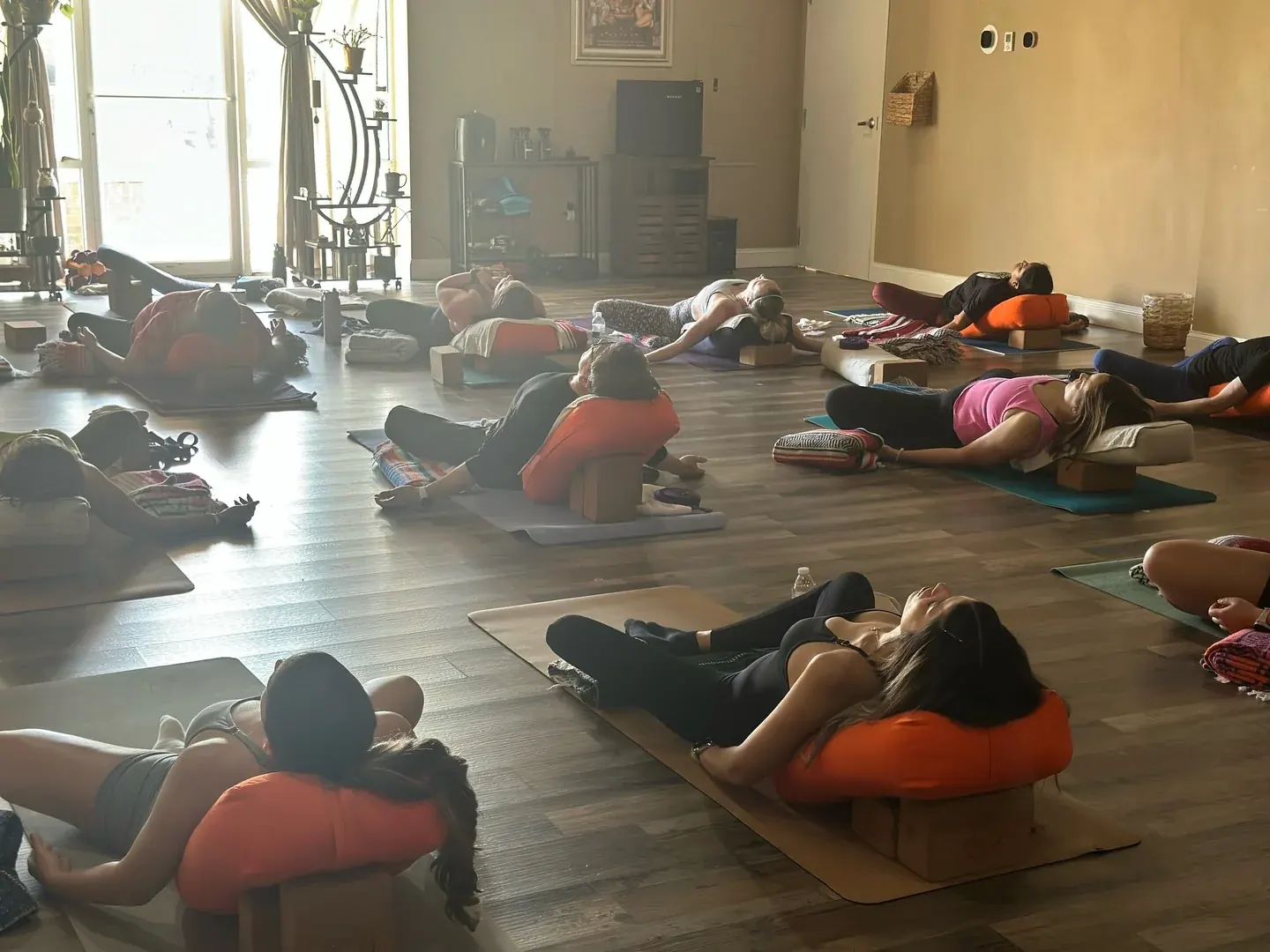
Non-heated yoga tends to feel steadier and gentler on the system. You can hold a pose without fighting the heat, which many people like when they want to focus on alignment or breath.
Neither one is better. They are two settings for the same practice.
Who tends to like hot yoga?
Hot yoga might suit you if you:
- Like warmth and a good sweat
- Want a clear break from a busy day
- Enjoy a more intense, deliberate pace
- Are curious about the sauna and cold plunge ritual
Who tends to like non-heated yoga?
Non-heated yoga might suit you if you:
- Feel uneasy in warm rooms
- Are pregnant or have a health concern and want to avoid heat (check with your doctor)
- Want to learn poses before adding heat
- Prefer a quieter, cooler feel
- Want a lighter class on a recovery day
Can I do both at the same studio?
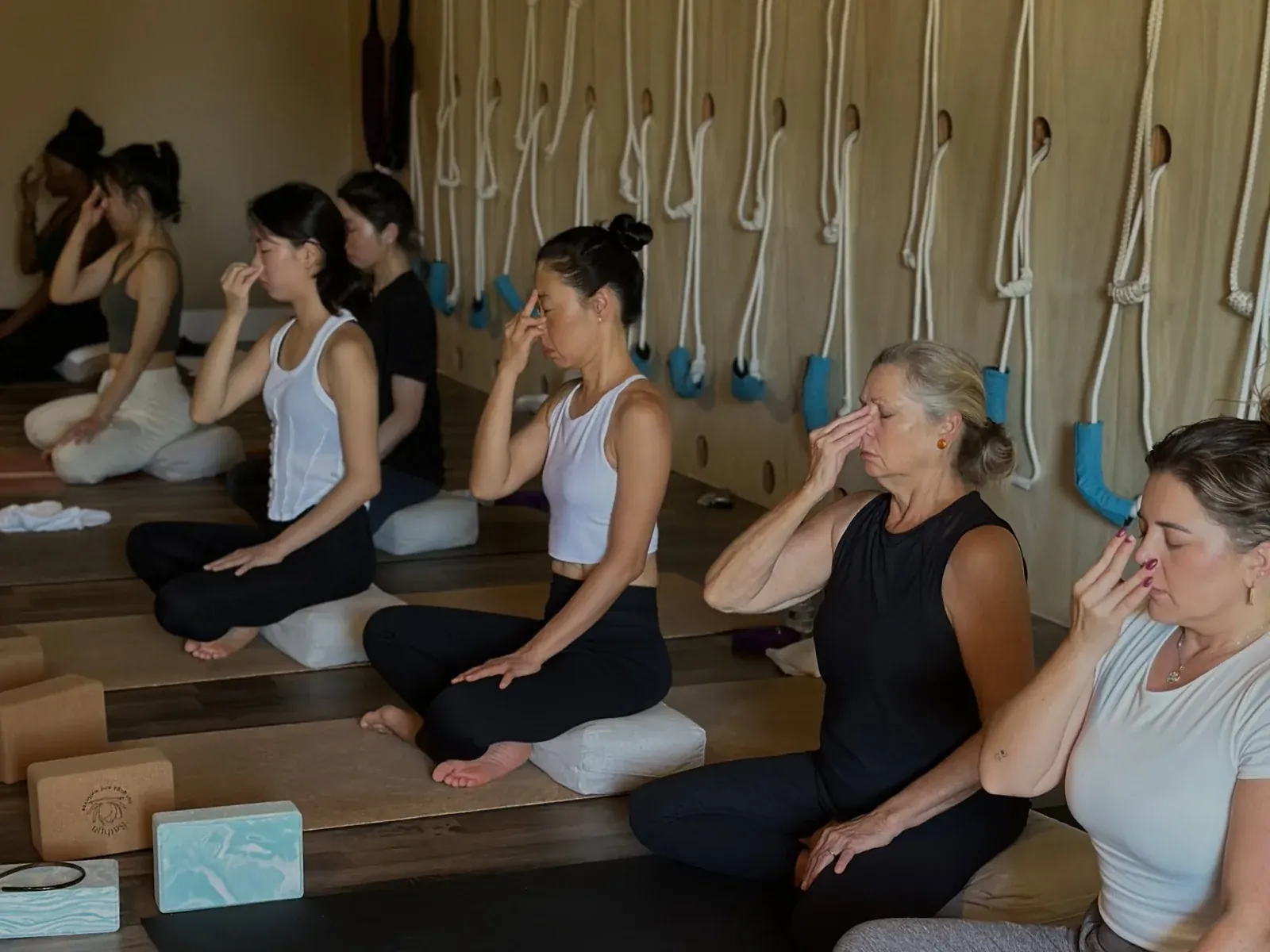
Yes, and many members do. Sathya Hot Yoga & Wellness at 4320 Suwanee Dam Rd in Suwanee, Georgia, has two studios: one heated and one non-heated. You can move between them in the same week.
The unlimited membership is $179 per month with no commitment, so you can mix styles without paying per class. If you like to start small, the intro is 2 weeks of unlimited classes for $49.
How do I decide for my first class?
Use this quick guide.
- Think about heat. If warmth sounds inviting, start hot. If it sounds stressful, start non-heated.
- Think about your goal. Want to sweat and unwind? Hot. Want to learn the poses or take it easy? Non-heated.
- Think about your body. If you have heart, blood pressure, or pregnancy concerns, talk with your doctor first.
- Try one of each. The two-week intro is a good way to compare.
For more about starting out, read our guide on what to expect at your first hot yoga class.
Is one better for flexibility?
Many people find the warmth helps them ease into stretches in hot yoga. Others build flexibility just as well in a non-heated class by practicing regularly. Consistency tends to matter more than room temperature. We cover this in our post on hot yoga and flexibility.

What about the rest of the Sathya ritual?
Hot yoga fits neatly into the Sathya rhythm: heat, cedar, cold, rest. After class, you can add our cedar sauna and cold plunge. Yoga and breath always come first, and the sauna and plunge are an add-on if you want them.
Non-heated yoga pairs well with the same extras. Some people take a gentle class, then use the cold plunge and a quiet sit in the sauna.
A simple way to mix them
Here is a weekly pattern many members enjoy.
- Two hot yoga classes for sweat and release
- One non-heated class for focus and alignment
- One strength or Pilates class for balance
You can see the full schedule in the classes section, and compare plans in pricing.
The bottom line
Hot yoga and regular yoga are two good options, not rivals. Pick the one that matches how you feel today. If you are unsure, try both and keep the one you keep coming back to.
Does the heat change what I should eat?
A little. In a heated class most people prefer a lighter stomach, such as a banana or a small bowl of oatmeal an hour or two before. In a non-heated class you can usually eat a bit closer to start time without feeling it. Whichever room you choose, water through the day is the main thing. Pay attention to how your body feels, and adjust from class to class.
FAQ
Questions people ask
Is hot yoga a better workout than regular yoga?
It depends on the class and what you want. Hot yoga often feels more intense because of the warmth, but a strong non-heated class can be just as demanding. Choose based on your goal.
Can beginners start with non-heated yoga?
Yes. Many beginners learn the poses in a non-heated class first, then add heat later. Others start hot right away. Both paths work, so go with what feels inviting.
Do I need different clothes for hot yoga?
Slightly. For hot yoga, wear light, moisture-wicking clothes and bring a towel. For non-heated yoga, comfortable stretchy clothes are fine and you may not need as much towel.
Does Sathya offer both hot and regular yoga?
Yes. Sathya Hot Yoga & Wellness in Suwanee has a heated studio and a non-heated studio, so you can take either style in the same week with one membership.

From the Sathya team. Kim Johns and Gigi Gomez opened Sathya Hot Yoga & Wellness in Suwanee in August 2024: two studios, a cedar sauna, a cold plunge and a rope wall. Working in, not working out.

Your first class
Reset, rest, community.
Two weeks of unlimited classes for $49. Credited toward your first month if you join.
Keep reading