Sauna + cold plunge
Cold Plunge Breathing: How to Stay Calm in Cold Water
The short answer
For cold plunge breathing, take a slow breath in through your nose, then make the exhale long and steady through your mouth. Long exhales help you stay calm when cold water makes your breath race. Sathya Hot Yoga & Wellness in Suwanee, GA, teaches breathwork you can practice before you plunge.
Why does cold water make you gasp?
Cold water triggers a quick reflex. Your breath speeds up, your chest tightens, and your first instinct is to gasp. This is normal, and nearly everyone feels it on their first few dips.
The trick is not to fight the reflex. You let it pass, then guide your breath back to a slow rhythm. That is a skill you can practice.
The good news is that the sharpest part is short. Many people say it eases after the first handful of breaths.
Understanding this helps. When you know the gasp is coming, it feels less scary. You can say to yourself, this is just my body doing its job, and I will breathe out slowly.
Experienced plungers still feel the reflex. They have simply learned to let it pass without panic.
What is the simplest breathing method for a cold plunge?
Keep it plain. You do not need a complicated pattern.
- Stand at the edge and take two slow breaths before you step in.
- As you lower in, breathe out slowly, like you are fogging a mirror.
- Breathe in gently through your nose if you can.
- Make each exhale a little longer than the inhale.
- Keep your shoulders low and your jaw soft.
Long exhales tell your body that things are okay. If your breath gets short and fast, slow the exhale and stay calm, or step out.
Count if it helps. Try breathing in for a count of three and out for a count of five. Keep the numbers gentle and let them guide you rather than stress you.
If a count feels like too much, drop it and just focus on a long, quiet exhale.
How does breathwork class help?
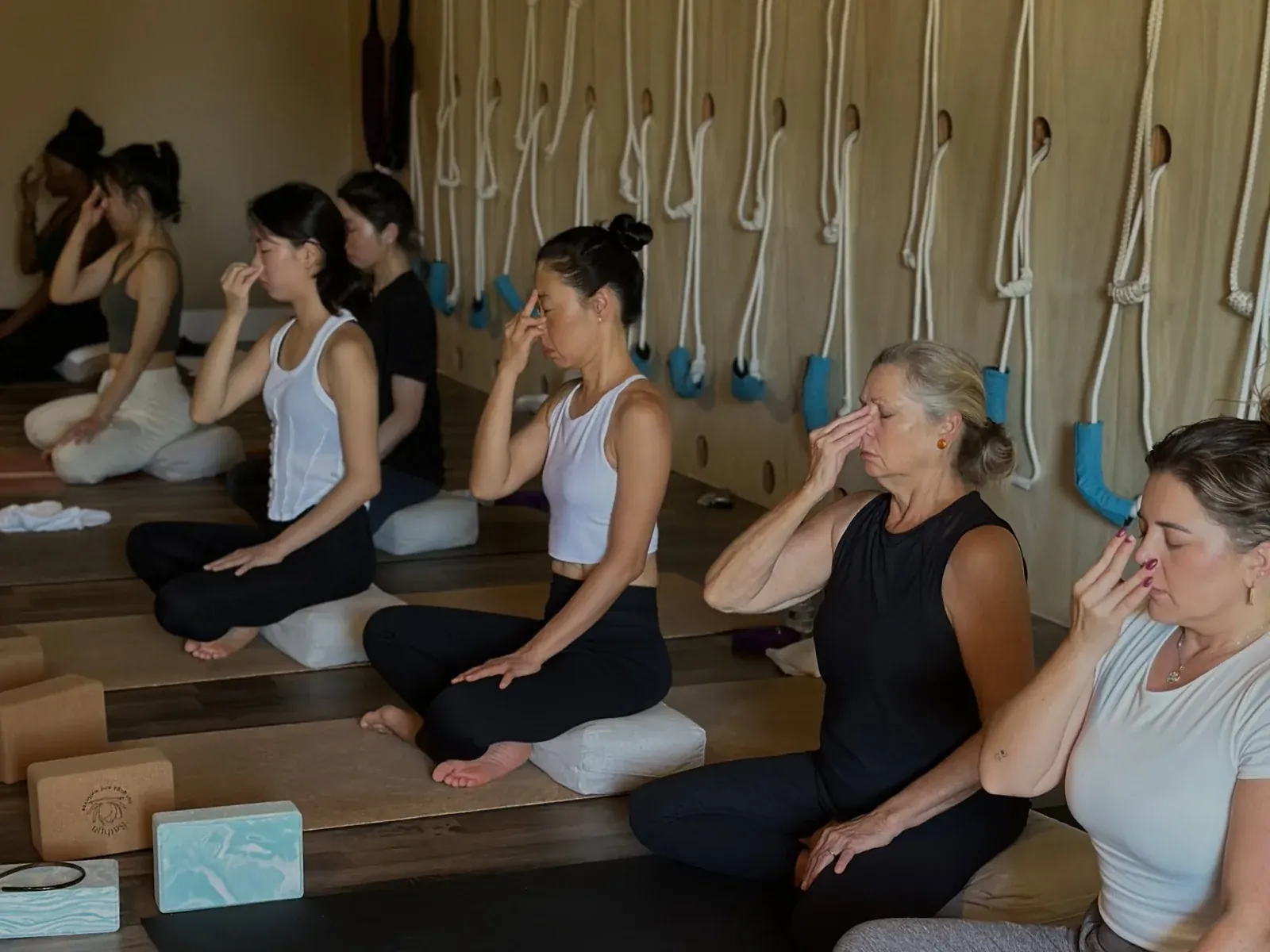
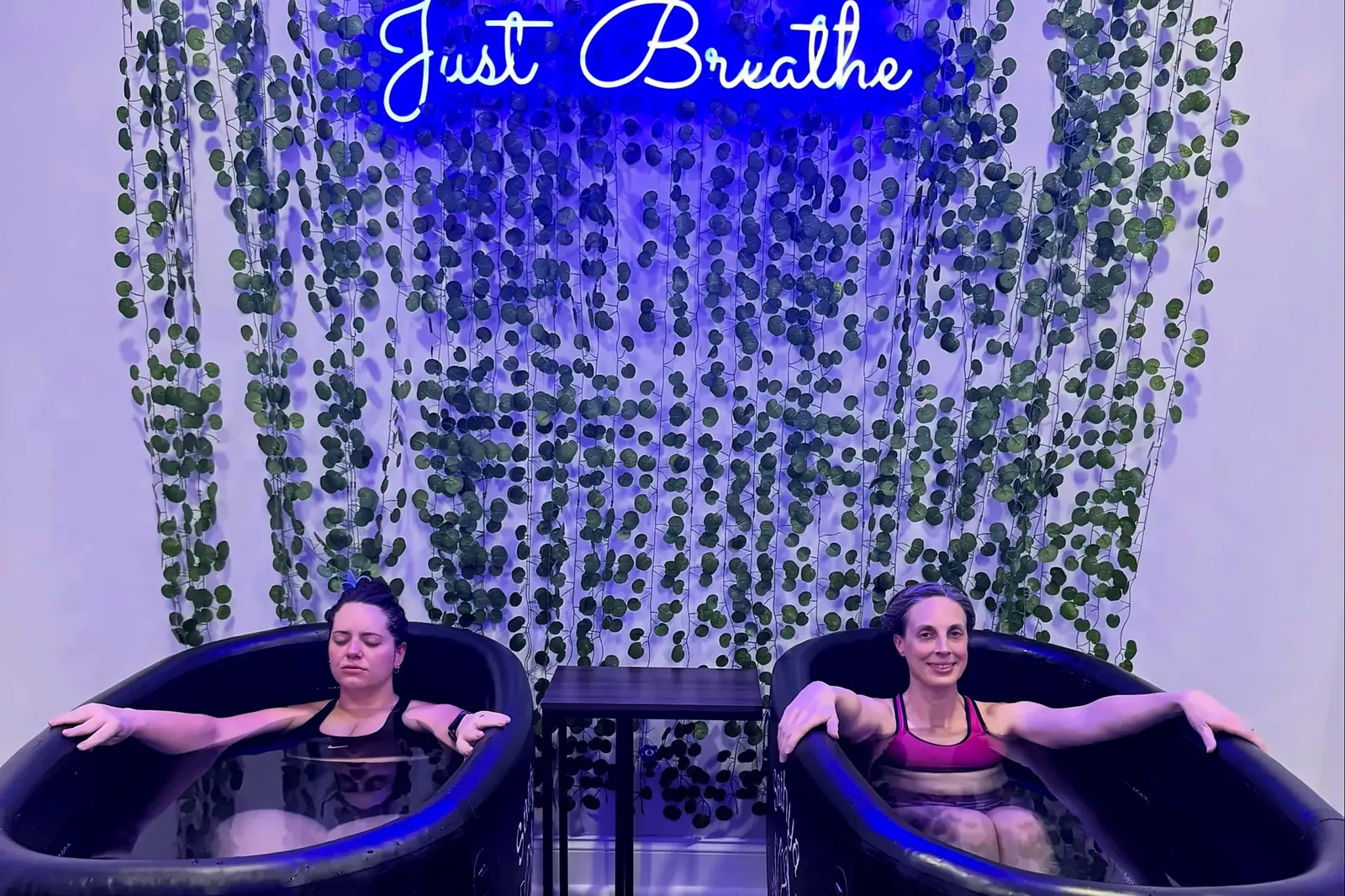
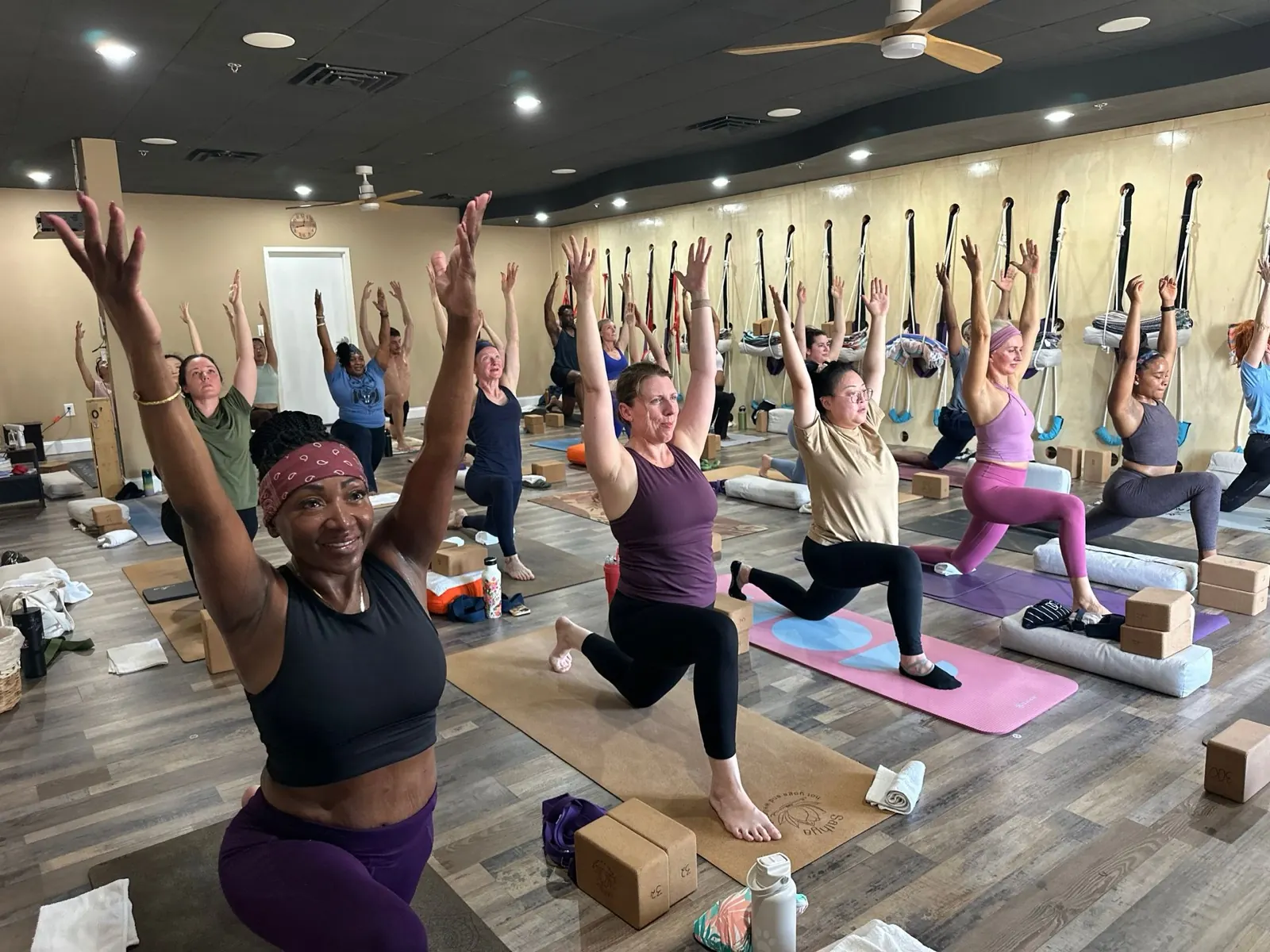
At Sathya Hot Yoga & Wellness in Suwanee, Georgia, breathwork is one of the classes on the schedule. In class you practice slowing the breath, staying steady, and noticing tension without reacting to it.
That is the exact skill you use in cold water. Members who practice on the mat often feel more at ease the first time they plunge.
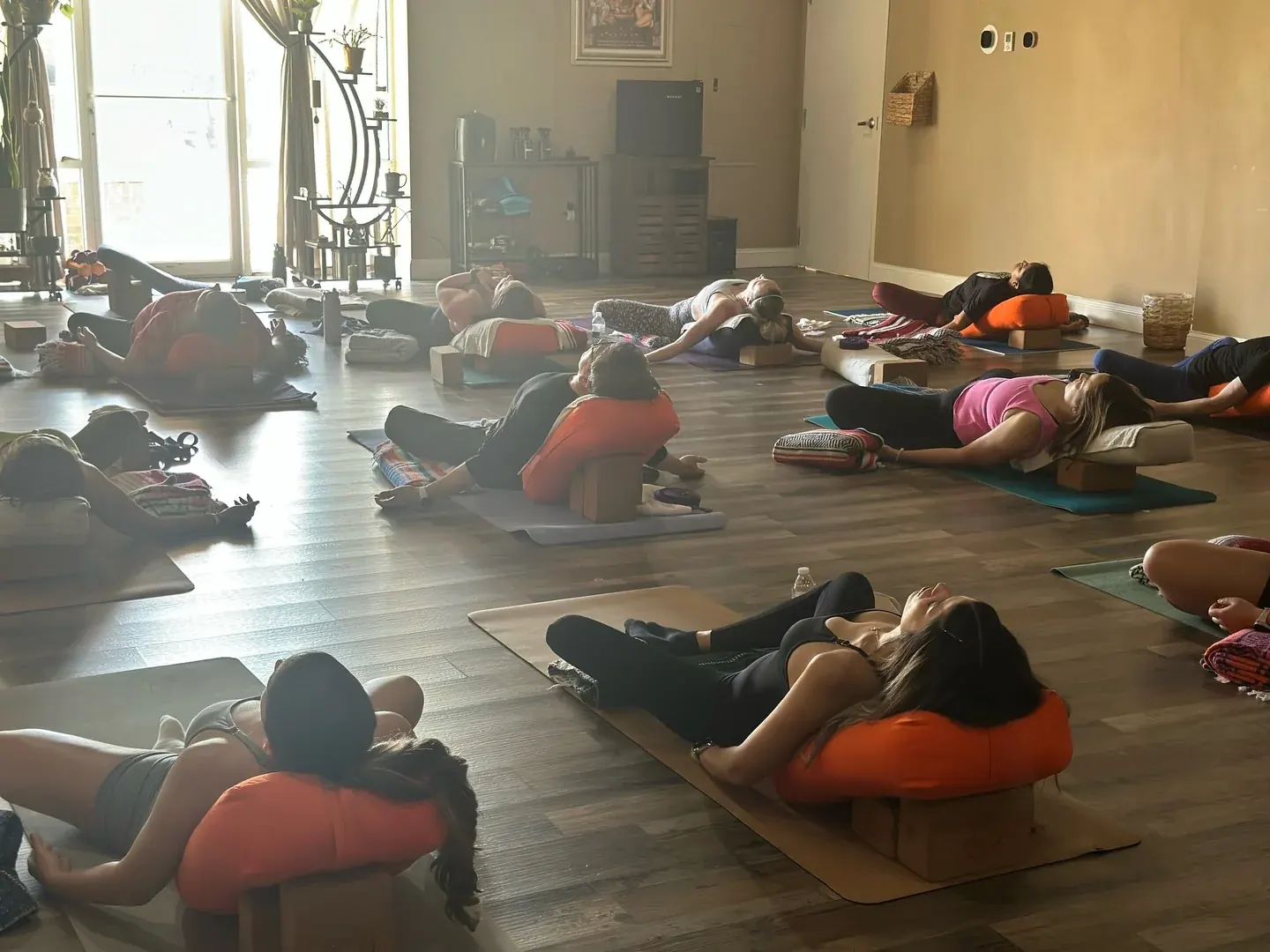
Yoga helps in the same way. Holding a long pose and breathing through it is practice for staying calm in a challenge.
Sound healing and yoga classes also teach stillness. You learn that a feeling can be strong without being a problem. Cold water is a strong feeling, and stillness is the answer.
Ask the front desk which classes fit best if you want to build this skill.
What should you do with your mind in the cold?
Give your attention a simple job. Count your exhales, feel your feet on the floor, or repeat one calm word.
Many people find that the cold clears the mental chatter. When all you need to do is breathe, there is not much room for worry.
If your thoughts start to race, bring them back to the breath. That is the whole practice.
Some people like to look at a single spot on the wall. Others close their eyes. Pick the approach that keeps you steady, and stay aware of your surroundings.
What mistakes make cold water harder?
A few small habits can make the dip feel rougher than it needs to be.
- Holding your breath: This raises tension. Keep the exhale going.
- Rushing in: Lower in slowly so your body can adjust.
- Clenching: Tight shoulders and jaw add stress. Soften them.
- Staying too long: Short dips build confidence. Leave while it still feels okay.
If you are new, read our guide to how long to stay in a cold plunge.
A short, calm dip beats a long, tense one every time. You will build comfort faster by leaving on a good note, and your next visit starts from confidence instead of dread.
How can you practice before you plunge?
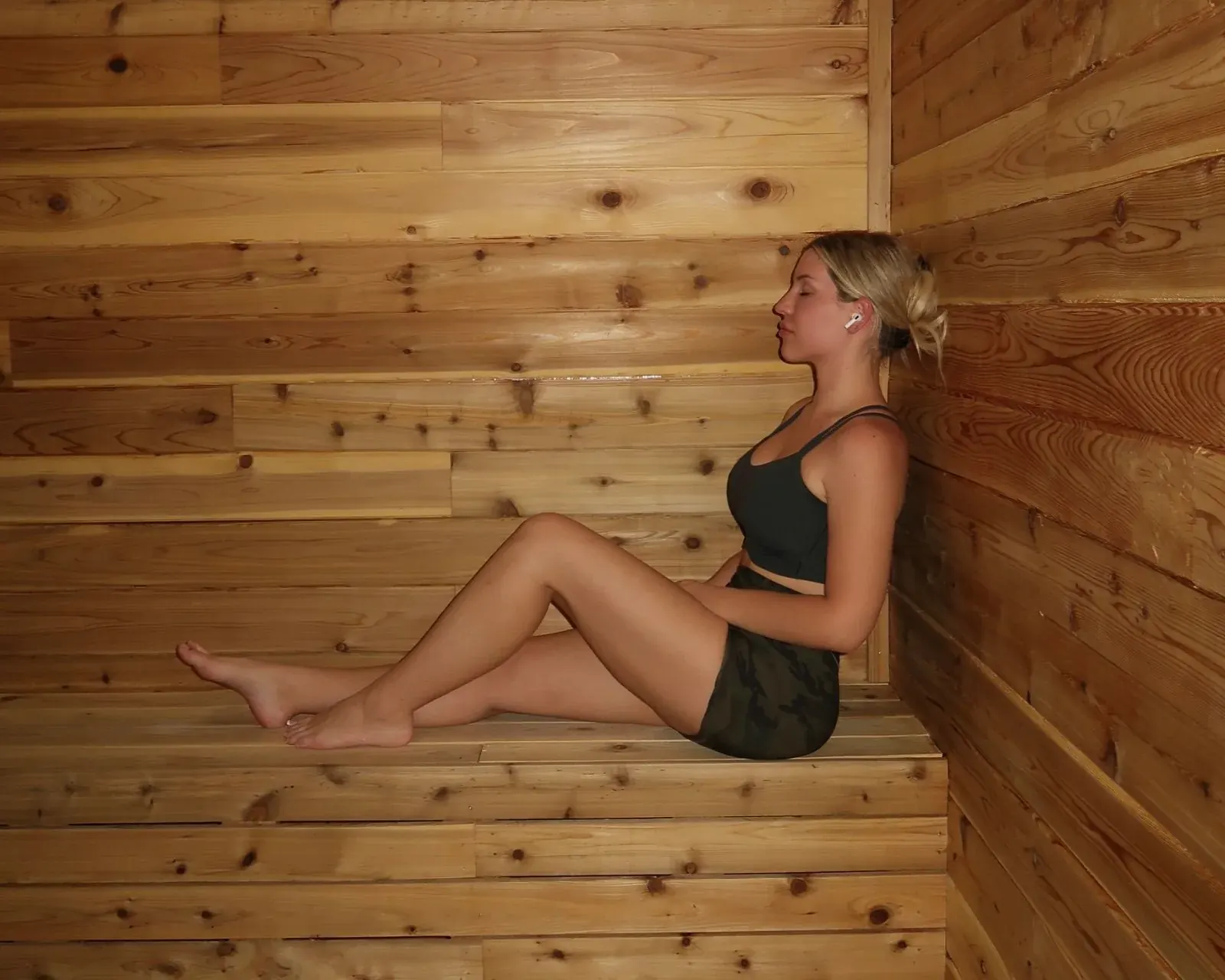
Practice in the cedar sauna. Sit still, breathe in through your nose, and make your exhale long. If you can stay relaxed in the heat, you are building the same skill.
Then take that calm into the cold. After the plunge, rest and let your breath return to normal at its own pace.
Remember that some people should check with a doctor before using cold water. See who should skip the sauna or cold plunge. When you are ready, a single visit is $29 and the Hot/Cold membership is $99 a month. Find details in the pricing section.
Rest afterward is part of the breathing practice. Let your breath return to normal without forcing it. Sit, sip water, and notice how different your body feels from a few minutes ago.
FAQ
Questions people ask
Should I breathe through my nose or mouth in cold water?
Most people breathe in through the nose when they can, and breathe out through the mouth in a long, slow stream. Pick the pattern that keeps you calm and steady.
What if I panic in the cold plunge?
Stop, step out, and warm up. Panic is a signal, not a failure. Try again another day with a shorter dip and slower breathing. Tell staff if you ever feel unwell.
Can I do breathwork before I plunge?
Yes. A few minutes of slow breathing in the sauna or at the edge of the plunge helps many people feel ready. Avoid forceful or extreme breathing right before cold water.
Does Sathya teach breathwork?
Yes. Breathwork is on the class list at Sathya in Suwanee, along with hot yoga, non-heated yoga, strength, Pilates, and sound healing. It is a nice way to prepare for the plunge.
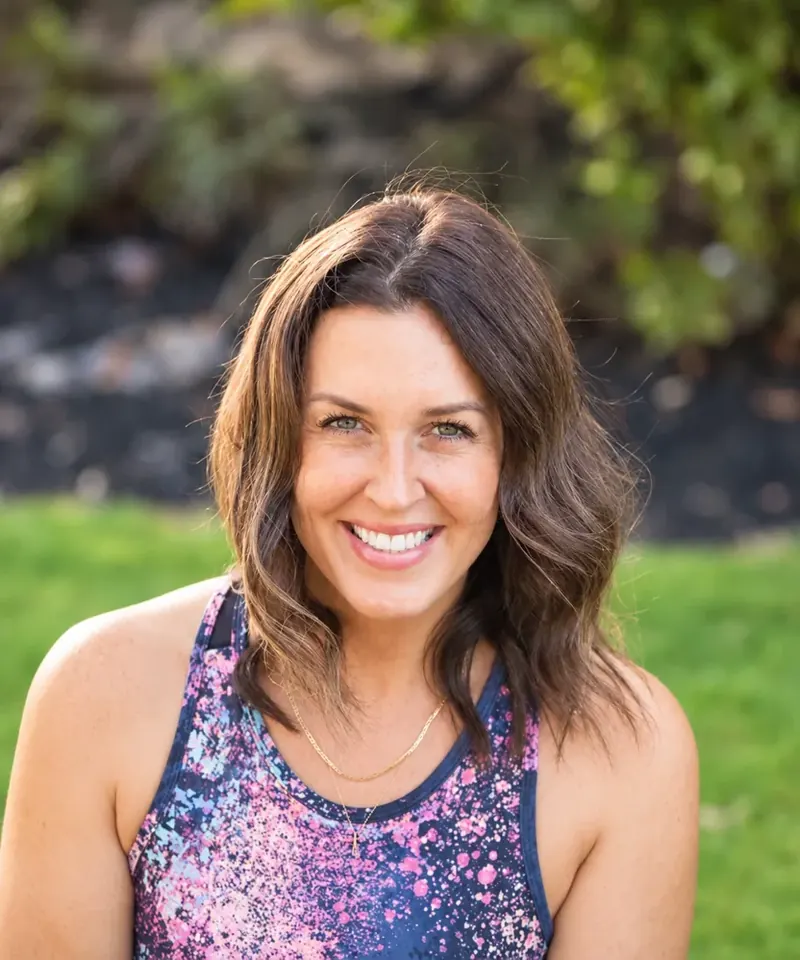
From the Sathya team. Kim Johns and Gigi Gomez opened Sathya Hot Yoga & Wellness in Suwanee in August 2024: two studios, a cedar sauna, a cold plunge and a rope wall. Working in, not working out.
Your first class
Reset, rest, community.
Two weeks of unlimited classes for $49. Credited toward your first month if you join.
Keep reading